The Micro Blue Moon: When the Sky Broke the Rules
Tonight's Micro Blue Moon is the smallest full moon of 2026, a rare seasonal extra full moon.
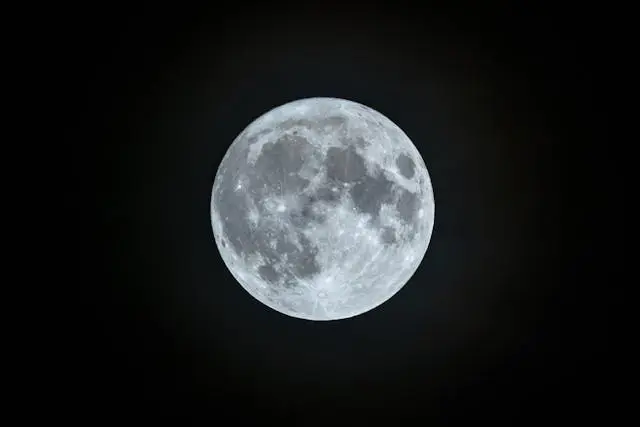
Look up tonight (May 30th, 2026)! Because you are going to witness an unusual phenomena. The Moon is full, but this is no ordinary full moon. It is a Micro Blue Moon. In other words it is the smallest full moon of 2026 and it a blue moon.
The "Blue" moon does not mean the Moon is turning to blue colour. Instead, it marks a rare timing pattern. This is a seasonal blue moon, the third full moon in an astronomical season (Spring in the Northern Hemisphere and Autumn in the Southern Hemisphere) that has four full moons instead of three. A season is supposed to have only three full moons, so this extra one feels like a cosmic bonus.
Why an extra full moon?
This happens because of a small mismatch between two cycles: the Moon's cycle and our calendar cycle. The moon takes around 29.5 days to go from one full moon to the next. If you divide 365 days by 29.5 days to get the number of full moons in an year (366 in a leap year), you will get 12 full moons, plus 11 extra days every year that do not fit into 12 lunar cycles.
Over time these extra days add up. Therefore roughly every two or three years, a 13th Full moon appears so astronomers have given a special name "Blue Moon" to this phenomena.
Micro Full Moon?
The Moon's orbital path around the Earth is an ellipse, therefore the Moon is not always the same distance from Earth and the point where the Moon is closest to Earth (about 363,396 km) is called "Perigee" while the farthest point (about 405,504 km) is called "Apogee".
Since the Moon is near apogee tonight, it will look slightly smaller and dimmer than usual. This is the micro moon effect, making this the smallest full moon of the year.
Tonight when you see it, remember, you are watching the calendar of the cosmos bend, if only for a night.